




- Welcome to Japan’s Social Hub
- 1. The “Otoshi” Mystery: Why Am I Paying for Food I Didn’t Order?
- 2Tap Water vs. The World
- 3How to Order
- 4Traditional “Akachochin” vs. Modern “Neo-Izakaya”
- 5Recommended Chains: Beginner-Friendly Izakayas You Can Trust
- 6Etiquette & Paying the Bill: Smooth Sailing to the End
- Your Izakaya Adventure Awaits
Welcome to Japan’s Social Hub
If you want to experience 100% of what Japanese nightlife has to offer, you absolutely cannot skip the izakaya. But I get it—the unique rules and customs can feel intimidating, especially if it’s your first time.
An izakaya (居酒屋) is far more than just a “Japanese pub” or “tapas bar,” though those comparisons often come up. It’s the beating heart of Japanese social culture, where colleagues unwind after work, friends celebrate milestones, and strangers become drinking buddies over shared plates of yakitori and cold mugs of beer.
Picture this: the warm glow of red lanterns (akachochin) hanging outside, the cheerful shout of “Irasshaimase!” (Welcome!) as you step through the door, the sizzle of grilled skewers, and the clinking of glasses filled with sake, beer, or highballs. This is where Japanese people truly let their hair down, away from the formal politeness of daily life.
But here’s the thing—izakaya culture comes with its own set of unwritten rules, mysterious charges, and ordering customs that can confuse even the most seasoned traveler. From the moment you sit down and are presented with an “otoshi” (a small appetizer you didn’t order but have to pay for), you might wonder: “Wait, what just happened?”
Don’t worry. By the end of this guide, you’ll navigate any izakaya like a local, understand exactly what you’re paying for, order with confidence, and—most importantly—enjoy one of the most authentic and memorable experiences Japan has to offer.
1. The “Otoshi” Mystery: Why Am I Paying for Food I Didn’t Order?
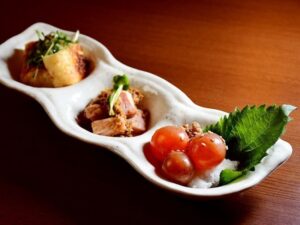
Let’s address the elephant in the room right away: the otoshi (お通し).
You sit down, excited to order. Before you even look at the menu, the server brings a small dish—maybe some pickled vegetables, edamame, or a tiny portion of tofu. You think, “Oh, nice! A complimentary appetizer.” But then, when the bill comes, you notice a charge of ¥300-500 for something called “otoshi” or “tsukidashi.”
What is it? The otoshi is essentially a mandatory seating charge disguised as a small appetizer. Every person at the table will be charged for it. Think of it as a cover charge, but instead of just paying for the privilege of sitting down, you get a little snack.
Why does this exist? This tradition dates back to when izakayas wanted to give customers something to nibble on while their orders were being prepared. Over time, it evolved into a standard practice—and yes, a revenue stream for the restaurant. The charge typically ranges from ¥300 to ¥500 per person, though fancier establishments might charge more.
Can I refuse it? Technically, in some places, you can ask not to receive it before you’re seated, but this is extremely rare and might be considered rude. It’s just part of izakaya culture—like tipping in America or service charges in Europe. The best approach? Just accept it as part of the experience and enjoy the little dish. Sometimes it’s surprisingly good!
Pro Tip: If you’re on a tight budget, factor in the otoshi charge when choosing where to eat. Chain izakayas often have lower or no otoshi charges, while independent spots may charge more.
3. What will you get?

The variety of Otoshi is endless and often reflects the season or the shop’s specialty. Common examples include:
-
Edamame: Lightly salted soybeans.
-
Kinpira Gobo: Sautéed burdock root and carrot.
-
Potato Salad: A Japanese pub staple.
-
Nimono: Small simmered vegetables or seafood.
4. Can you refuse it?

This is a tricky question. While some modern chains (like Torikizoku) don’t have Otoshi, and some places might let you opt-out if you ask “Otoshi-nashi de dekimasu ka?”, it is generally considered polite to accept it. Refusing it can sometimes be seen as rude, similar to walking into a cinema and asking not to pay the entrance fee because you “might not like the movie.” My advice? Embrace it as a surprise gift from the chef!
💡 Local Pro-Tip (2026 Update): > With the rise of digital menus and QR code ordering, many Izakayas now clearly state the Otoshi price on the first screen. If you are on a very tight budget, look for signs that say “No Cover Charge” or “Charge Free” before you enter!
2Tap Water vs. The World
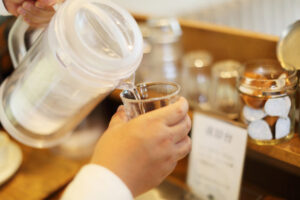
Here’s one of my favorite things about dining in Japan, and it’s something that always surprises international visitors: free tap water.
In many countries—especially in Europe, Australia, and parts of the US—you’re expected to pay for bottled water as soon as you sit down. Want water? That’ll be €3-5, please. In Japan, however, tap water (o-mizu お水) and sometimes green tea (o-cha お茶) are provided completely free of charge, and refills are unlimited.
This is part of Japan’s famous omotenashi (おもてなし) culture—the spirit of wholehearted hospitality. Restaurants genuinely want you to feel comfortable and hydrated without charging you extra for basic necessities.
How to ask for water: Simply say: “Mizu o kudasai” (お水をください) – “Water, please.”
Most izakayas will automatically bring you water or tea when you sit down, but if they don’t, don’t hesitate to ask. And here’s the beauty: you can ask for refills as many times as you want. No judgment, no charge.
Why this matters: If you’re planning to drink alcohol, having free water available is a lifesaver. You can pace yourself, stay hydrated, and avoid that dreaded hangover the next morning. Plus, if you’re taking a break from the sake or need to cleanse your palate between dishes, just reach for that free water or tea.
Bonus Tip: Some izakayas also offer free hot tea or cold barley tea (mugicha). If you’re not a big drinker, you can absolutely enjoy an izakaya experience with just free tea and delicious food. No pressure to order alcohol!
3How to Order

As of 2026, the way you order at izakayas has evolved significantly, especially in urban areas like Tokyo, Osaka, and Kyoto.
QR Code Ordering: The New Standard
Many izakayas—particularly chains and modern establishments—now use QR code ordering systems. Here’s how it works:
- Scan the QR code on your table with your smartphone
- Access the digital menu (often available in multiple languages: English, Chinese, Korean)
- Browse photos and descriptions of food and drinks
- Place your order directly from your phone
- Repeat whenever you want to order more
Why this is amazing for travelers:
- No language barrier: Most QR menus offer English translations
- Visual menus: See photos of every dish before ordering
- Translation apps: You can screenshot the menu and use Google Translate or other apps
- No awkward interactions: If you’re shy about your Japanese, this system removes the pressure
- Order at your own pace: No need to flag down a server
Traditional Ordering: Still Alive and Well
Of course, many traditional izakayas—especially smaller, family-run establishments—still use the old-fashioned method:
- Get the server’s attention: Say “Sumimasen!” (すみません – Excuse me!)
- Point to the menu: If your Japanese is limited, pointing works perfectly
- Use simple phrases:
- “Kore o kudasai” (これをください) – “This one, please”
- “Nama biiru, futatsu” (生ビール、二つ) – “Two draft beers”
- “Osusume wa?” (おすすめは?) – “What do you recommend?”
Tablet Ordering
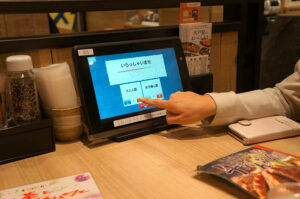
Some mid-range chains use tablet devices at each table. These often have English options and are very user-friendly. Just tap what you want, confirm your order, and it’s sent directly to the kitchen.
Call Buttons
Look for a call button (呼び出しボタン) on your table. When you’re ready to order, press it, and a server will come to you. This is common in both traditional and modern izakayas. No need to shout or wave frantically!
4Traditional “Akachochin” vs. Modern “Neo-Izakaya”
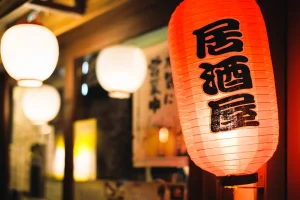
The izakaya landscape in 2026 is diverse, and understanding the difference between traditional and modern styles will help you choose the right spot for your mood.
Traditional Akachochin (赤提灯) Izakaya
The name comes from the red paper lanterns that hang outside these establishments, signaling “we’re open for drinking!”
Atmosphere:
- Nostalgic, Showa-era vibe (think 1950s-80s Japan)
- Often smoky (though smoking regulations are stricter in 2026)
- Frequented by older salarymen and regulars
- Can be intimidating for foreigners (but incredibly rewarding if you’re adventurous)
What to expect:
- Handwritten menus (often in Japanese only)
- Counter seating or small tatami rooms
- Cash-only payment
- Strong sense of community—regulars chatting with the owner
- Authentic, home-style cooking
Pros:
- Deeply authentic experience
- Often cheaper than chain izakayas
- Delicious, traditional dishes
- Great if you want to practice Japanese or make local friends
Cons:
- Can be difficult to navigate without Japanese language skills
- May not be as foreigner-friendly
- Limited English support
Modern “Neo-Izakaya” (ネオ居酒屋)
The rise of the “Neo-Izakaya” is one of the biggest trends in 2026. These spots cater to younger crowds and Instagram-obsessed diners.
Atmosphere:
- Stylish, contemporary interior design
- Well-lit, photo-friendly
- International music, modern decor
- Popular with women and mixed-age groups
What to expect:
- English menus and QR code ordering
- Fusion dishes (Japanese-Italian, Japanese-Mexican, etc.)
- Craft cocktails and creative drinks
- Credit cards and cashless payment accepted
- Reservations available online
Examples of Neo-Izakaya trends:
- Cheese dakgalbi izakaya: Korean-Japanese fusion
- Standing bar style: Quick, casual, affordable
- Wine izakaya: Japanese food paired with natural wines
- Vegan/vegetarian izakaya: Catering to dietary restrictions
Pros:
- Foreigner-friendly
- Great for social media content
- Modern, comfortable atmosphere
- Easy to order and pay
Cons:
- More expensive than traditional spots
- Less “authentic” (but still delicious!)
- Can feel touristy in popular areas
Which should you choose?
- First-timer or limited Japanese? Start with a Neo-Izakaya or chain
- Adventurous and speak some Japanese? Dive into an Akachochin
- Want the best of both worlds? Visit both types during your trip!
5Recommended Chains: Beginner-Friendly Izakayas You Can Trust
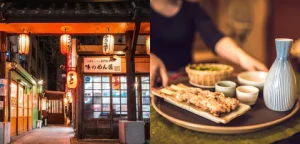
If you’re new to izakaya culture, starting with a reliable chain is a smart move. These spots offer consistent quality, English support, and transparent pricing.
1. Torikizoku (鳥貴族)
Stores in Tokyo
What makes it special:
- Uniform pricing: Almost everything on the menu costs the same (around ¥350-400 per item as of 2026)
- No surprises: You know exactly what you’re paying
- Yakitori focus: Specializes in grilled chicken skewers
Must-try dishes:
- Momo-negi (chicken thigh with scallions)
- Tsukune (chicken meatballs)
- Tebasaki (chicken wings)
Perfect for: Budget travelers, groups, yakitori lovers
2. Isomaru Suisan (磯丸水産)
What makes it special:
- 24-hour operation in many locations
- Seafood BBQ: Grill your own fish and shellfish at your table
- Fresh and affordable
Must-try dishes:
- Grilled whole squid
- Saba no shioyaki (salt-grilled mackerel)
- Assorted shellfish platter
Perfect for: Late-night cravings, seafood lovers, hands-on experience
3. Kushikatsu Tanaka (串カツ田中)
Stores in Tokyo
What makes it special:
- Osaka specialty: Deep-fried skewers (kushikatsu)
- Fun and casual: Great for groups
- Dipping sauce etiquette: Remember—no double-dipping!
Must-try dishes:
- Kushikatsu assortment (pork, shrimp, vegetables)
- Doteyaki (beef tendon stew)
- Cabbage refills (free!)
Perfect for: Fried food fans, Osaka-style experience in Tokyo
Other Notable Chains:
- Watami (和民): Comprehensive menu, English support
Watami (和民):Stores in Tokyo
- Shirokiya (白木屋): Affordable, beginner-friendly
Shirokiya (白木屋)Stores in Tokyo
- Tsubohachi (つぼ八): Hokkaido-style izakaya with great seafood
Tsubohachi (つぼ八)Stores in Tokyo
6Etiquette & Paying the Bill: Smooth Sailing to the End
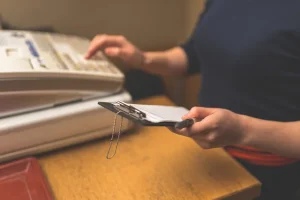
You’ve had a fantastic meal, shared laughs, and maybe one too many highballs. Now it’s time to pay. Here’s how to handle the final step like a local.
The “Warikan” Culture (割り勘 – Splitting the Bill)
In Japan, it’s extremely common to split the bill evenly among everyone at the table, regardless of who ordered what. This is called warikan.
How it works:
- Total bill ÷ number of people = what each person pays
- Even if you only had a salad and someone else had steak and three beers, you typically split evenly
Why?
- It’s simpler and faster
- Avoids awkwardness or appearing stingy
- Part of Japanese group harmony (wa 和) culture
Exceptions:
- If there’s a significant imbalance (one person didn’t drink alcohol, for example), it’s okay to adjust
- Seniors or hosts may insist on paying (respect this gesture!)
How to Ask for the Check
Phrase: “Okaikei, onegaishimasu” (お会計、お願いします) – “Check, please.”
Gesture: Make a cross with your index fingers (like an “X”)—this is the universal Japanese signal for “bill, please”
Where to Pay
- Do NOT pay at the table: In most izakayas, you take your bill to the register near the entrance
- Check the bill at your table first: Make sure the total matches what you ordered
- Then proceed to the register: This avoids holding up the line
Payment Methods (2026 Update)
- Cash: Still widely accepted, especially in traditional spots
- Credit cards: Increasingly common, especially Visa and Mastercard
- IC cards (Suica, Pasmo): Accepted in many modern izakayas
- QR code payments (PayPay, LINE Pay): Growing in popularity
Pro Tip: Always check if the restaurant accepts your payment method before ordering. Small, traditional izakayas may still be cash-only.
Tipping: DON’T DO IT
This is crucial: Do not tip in Japan. Tipping is not part of the culture and can even be seen as rude or confusing. Excellent service is expected and included in the price.
If you try to leave a tip, the server will likely chase you down to return your “forgotten” money!
Saying Thank You
As you leave, say: “Gochisousama deshita” (ごちそうさまでした) – “Thank you for the meal.”
This is a respectful way to show appreciation for the food and service.
Your Izakaya Adventure Awaits
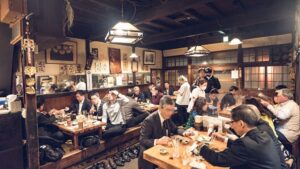
The izakaya is where Japan’s true soul comes alive—where rigid social norms relax, where strangers become friends over shared plates, and where the art of eating and drinking together is elevated to something truly special.
Yes, there are unique rules and customs. Yes, you might be confused by the otoshi or surprised by QR code menus. But that’s all part of the adventure. Embrace the experience, be respectful, ask questions, and don’t be afraid to make mistakes. Japanese people appreciate effort, and a simple “Sumimasen” and a smile go a long way.
Whether you choose a cozy akachochin tucked down a back alley or a trendy neo-izakaya in Shibuya, you’re in for an unforgettable night. So grab your friends, raise a glass, and shout “Kanpai!” (乾杯 – Cheers!)
Welcome to the izakaya. Your table is ready.

comment