



If you are planning a trip to Tokyo or Kyoto, you might be wondering: “Do you tip in Japan?”
In many Western countries, tipping is a standard way to show appreciation for good service. However, in Japan, the culture is completely different. In fact, leaving extra money can often lead to confusion or even be perceived as rude.
Here is everything you need to know about tipping etiquette in Japan and why you should keep your change.
1. The Core Concept: Omotenashi

The main reason why there is no tipping in Japan is the concept of Omotenashi.
In Japanese culture, providing exceptional service is not an “extra” effort to be rewarded with money; it is the standard. Staff take immense pride in their work (professionalism), and they believe that high-quality service should be included in the price you pay.
-
Why it feels rude: If you offer a tip, it can imply that you think the staff only worked hard because they wanted extra money, rather than out of professional pride.
2. Tipping Can Cause Confusion and “The Chase”

Most Japanese workers, especially in restaurants and taxis, are not trained to handle tips. If you leave money on the table, the staff will likely think:
-
“The guest forgot their change!”
-
“There was a mistake in the payment.”
It is very common for a waiter to chase you down the street to return a single 100-yen coin you left behind. To avoid causing this unnecessary stress for the staff, it is best to pay exactly what is on the bill.
3. Service Charges Are Already Included
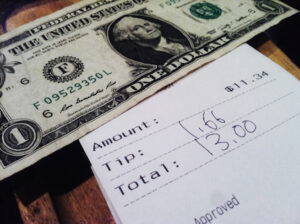
When you look at your bill at a Japanese restaurant or hotel, you might see a “Service Charge” (サービス料) or a “Cover Charge” (お通し – Otoshi).
-
Service Charge: Usually 10-15% at high-end hotels or restaurants.
-
Table Charge: A small fee (usually 300-500 yen) at Izakaya (Japanese pubs) that often comes with a small appetizer.
Since these fees are already calculated, any additional tip is unnecessary.
Tipping Etiquette by Situation
| Situation | Should You Tip? | What to Do Instead |
| Restaurants | No | Say “Gochisousama-deshita” (Thank you for the meal). |
| Taxis | No | Just pay the fare shown on the meter. |
| Hotels | No | A polite “Thank you” to the concierge is enough. |
| Tour Guides | Optional | While not expected, a small gift from your country is often appreciated more than cash. |
Are There Any Exceptions? (Kokorozuke)

While general tipping is a “no,” there is one traditional exception called Kokorozuke. This is sometimes practiced at high-end Ryokans (traditional Japanese inns). If you wish to show extra gratitude, the money should never be handed over as bare cash. It must be placed in a small, beautiful envelope (called a Pochi-bukuro) and handed over discreetly at the beginning of your stay.
Note for Tourists: Even at a Ryokan, you are absolutely not required to do this.
How to Show Appreciation

If you want to be a respectful visitor and show you enjoyed the service, follow these three simple steps:
-
Don’t tip: Respect the local customs.
-
Use Japanese: A simple “Arigatou gozaimasu” (Thank you) or “Oishikatta desu” (It was delicious) goes a long way.
-
Be polite: A small bow or a sincere smile is the best “tip” you can give in Japan.
By understanding Japanese tipping culture, you’ll have a much smoother and more respectful travel experience. Enjoy your trip!


comment