

Visiting Japan for the first time is an incredible experience—but many travelers accidentally break local social rules without even realizing it.
Most cultural friction happens because Japanese customs are unique and often unspoken. To help you have a stress-free and respectful trip, we’ve compiled the most common “tourist traps” of etiquette and exactly how to handle them like a pro.
- 1. Being Loud on Public Transport
- 2. Standing on the Wrong Side of the Escalator
- 3. “Tabe-aruki” (Eating While Walking)
- 4. Trying to Tip at Restaurants or Hotels
- 5. Not Following the “Line Up” Culture
- 6. The “Missing Trash Can” Struggle
- 7. Wearing Shoes Where You Shouldn’t
- 8. Assuming English is Everywhere
- 9. Being Overly Direct or Confrontational
- 10. Ignoring Local Signs and Rules
- Final Thoughts
1. Being Loud on Public Transport

The Mistake: Talking loudly or taking phone calls on trains and buses.
-
Why it matters: Japanese trains are “silent zones.” Locals use this time to rest or commute quietly. Loud noise is considered a major disturbance.
-
What to do: * Keep conversations to a whisper.
-
Never take phone calls (step off at the next station if it’s urgent).
-
Switch your phone to “Manner Mode” (silent).
-
2. Standing on the Wrong Side of the Escalator
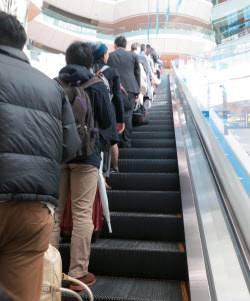
The Mistake: Blocking the flow of people by standing in the middle or on the “walking” side.
-
Why it matters: In busy stations, one side is strictly for standing and the other for people in a rush.
-
What to do: * Tokyo: Stand on the left.
-
Osaka: Stand on the right.
-
Pro tip: If you’re unsure, just look at the person in front of you!
-
3. “Tabe-aruki” (Eating While Walking)

The Mistake: Munching on snacks while strolling through busy streets or markets.
-
Why it matters: Walking while eating is often seen as messy and impolite. It also increases the risk of spilling food on others or dropping litter.
-
What to do: * Eat near the stall or vending machine where you bought the item.
-
Look for designated seating areas.
-
Finish your snack first, then continue your sightseeing.
-
4. Trying to Tip at Restaurants or Hotels
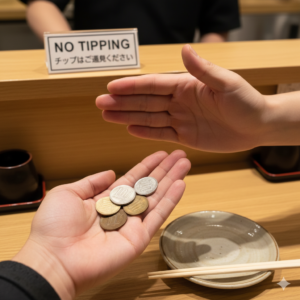
The Mistake: Leaving extra cash as a reward for great service.
-
Why it matters: Japan has a zero-tipping culture. Tipping can cause confusion or even make staff feel awkward as they may think you simply forgot your change.
-
What to do: * Pay the exact amount on the bill.
-
A sincere “Arigatou gozaimasu” (Thank you) is the best way to show appreciation.
-
5. Not Following the “Line Up” Culture

The Mistake: Cutting in line or crowding the entrance of a train or shop.
-
Why it matters: Japan values order and “Wa” (harmony). There is a specific place to wait for everything.
-
What to do: * Look for floor markings indicating where to line up for trains.
-
Wait for passengers to exit the train completely before you board.
-
6. The “Missing Trash Can” Struggle
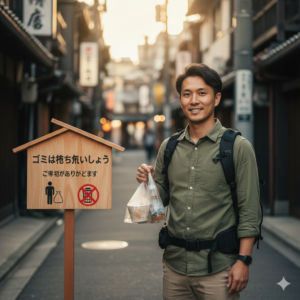
The Mistake: Getting frustrated by the lack of bins and leaving trash in random places.
-
Why it matters: After the 1995 subway attacks, many public trash cans were removed. Despite this, Japanese streets remain spotless because people take their trash home.
-
What to do: * Carry a small plastic bag for your own rubbish.
-
Use bins located inside/outside convenience stores (Konbini) or near vending machines (specifically for bottles/cans).
-
7. Wearing Shoes Where You Shouldn’t
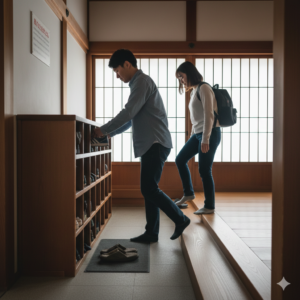
The Mistake: Walking into a home, temple, or certain restaurants with your shoes on.
-
Why it matters: Cleanliness is a priority in Japanese interiors. Shoes are for “outside,” and slippers/socks are for “inside.”
-
What to do: * Look for a Genkan (sunken entrance) where shoes are lined up.
-
If you see slippers provided, use them.
-
Important: Never wear slippers on Tatami mats (straw flooring)—walk in socks or bare feet only.
-
8. Assuming English is Everywhere
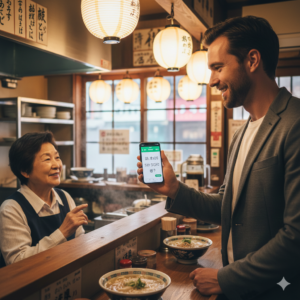
The Mistake: Speaking fast English and expecting everyone to be fluent.
-
Why it matters: While many Japanese people study English, they may feel shy or struggle with fast, complex sentences.
-
What to do: * Speak slowly and use simple words.
-
Learn 3-4 basic phrases (Sumimasen, Arigatou, Onegaishimasu).
-
Use translation apps like Google Lens for menus.
-
9. Being Overly Direct or Confrontational

The Mistake: Complaining loudly or being very blunt when something goes wrong.
-
Why it matters: Japanese culture values “saving face.” Public confrontation is very rare and makes everyone involved feel extremely uncomfortable.
-
What to do: * Stay calm and polite, even if you’re frustrated.
-
Ask for help nicely rather than demanding a fix.
-
10. Ignoring Local Signs and Rules
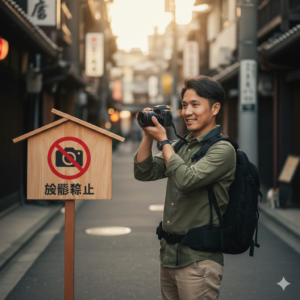
The Mistake: Thinking “it’s okay because I’m a tourist.”
-
Why it matters: Rules regarding smoking, photography (especially of Geisha in Kyoto), and drone use are strict.
-
What to do: * Always look for “No Photography” or “No Smoking” signs.
-
When in doubt, observe what the locals are doing—and follow suit.
-
Final Thoughts
Japan is one of the most welcoming countries in the world. You don’t need to be perfect, but showing that you are trying to respect the local culture will open many doors and lead to much warmer interactions.
So You Don’t Become an Annoying Tourist⇩⇩


comment